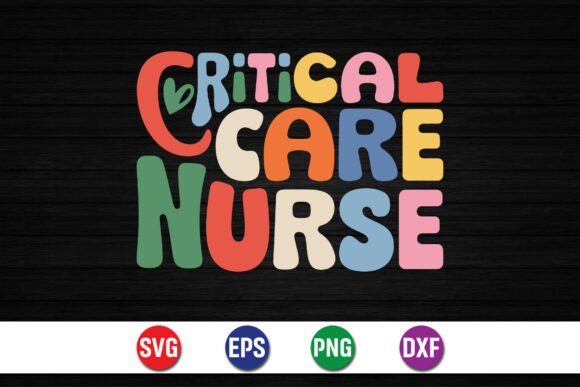
Critical Care Nurse Typography Design
As an embroidery designer and product reviewer, I’ve evaluated countless machine embroidery designs. The Critical Care Nurse Typography Design stands out for its bold visual personality and emotional resonance. It’s a piece that feels both professional and heartfelt, making it ideal for custom apparel, personalized gifts, and small business merchandise.
First Impressions: Bold, Playful, and Meaningful
The Critical Care Nurse Typography Design immediately grabs attention with its multicolor lettering and dynamic layout. The playful use of color suggests energy and optimism, while the typography itself conveys strength and dedication. This isn’t just a design—it’s a statement. It feels like it was created with a purpose, likely to honor the hard work of critical care nurses in a way that’s both respectful and visually engaging.
The design’s structure is clean but not minimal. It balances detail with readability, which is essential for embroidery projects where clarity matters. The layout works well on larger surfaces, such as tote bags or sweatshirts, but might require adjustments for smaller items like caps or baby clothes.
Real-World Use: Custom Apparel and Personalized Gifts
When considering the Critical Care Nurse Typography Design, I imagine it on a custom embroidered tote bag for a nurse who works long shifts. The vibrant colors would stand out on a light-colored fabric, and the design’s size makes it suitable for a standard hoop. For a handmade product, this could be a great addition to a boutique line focused on healthcare-themed gifts.
It also has potential for holiday or wedding gifts. A personalized pillow cover with this design could serve as a thoughtful, meaningful present. The design’s visual appeal is strong enough to make it a standout item in an Etsy shop or craft fair booth.
For a small business owner, the Critical Care Nurse Typography Design could be a valuable asset. It’s versatile enough to be used across multiple products—t-shirts, aprons, even baby onesies. But its success depends on how well it translates into different fabrics and stitch types.
Embroidery Performance: What to Expect
On smooth, medium-weight fabrics like cotton or polyester blends, the Critical Care Nurse Typography Design should perform well. The stitch density is moderate, so it shouldn’t cause puckering or distortion. However, if you’re working with thin or stretchy materials, extra care is needed. A proper stabilizer will help maintain the design’s integrity and prevent shifting during stitching.
The multicolor aspect of the design means careful attention to thread color contrast is necessary. On dark fabrics, the lighter colors may not show up as vividly, so testing on a scrap fabric is always a good idea. For commercial embroidery projects, ensuring that the design is compatible with your machine and hoop size is crucial.
One thing to note: the design’s detailed corners and intricate lettering could pose challenges on smaller hoops. If you’re planning to use it on a patch or a cap, consider whether the design can be scaled appropriately without losing clarity.
Where to Use It Carefully
- Small hoop sizes: The design’s complexity may not fit well in a limited space.
- Textured fabrics: Raised patterns or knits could interfere with the design’s visibility.
- Thin or stretchy fabric: These materials may require additional stabilization.
- Dark fabric: Light-colored threads may not pop as expected.
- Curved surfaces: Caps or hats may need special hoop techniques.
- Dense stitch areas: Over-stitching could lead to bulkiness or stiffness.
If you’re using the Critical Care Nurse Typography Design for a baby item or a delicate garment, test it first. Even small details like tiny lettering or decorative accents can affect the final look and feel of the finished product.
Design Value and Customer Appeal
This design has a strong emotional hook, which can translate into higher customer engagement. People are drawn to messages that resonate with their values or experiences. A nurse who sees this on a shirt or a gift may feel a personal connection, increasing the likelihood of a positive reaction.
From a business perspective, the Critical Care Nurse Typography Design can enhance brand consistency if it aligns with your niche. It’s a great fit for craft businesses targeting healthcare professionals, nursing students, or families with medical connections.
For an Etsy seller or handmade shop owner, the design offers versatility. It can be sold as a digital embroidery file, a printable mockup, or part of a physical product line. Its visual appeal and thematic relevance make it a valuable addition to any creative entrepreneur’s portfolio.
Practical Designer Notes
Before committing to the Critical Care Nurse Typography Design, here are a few key steps to take:
- Test the design on scrap fabric to see how it looks in real life.
- Check thread color contrast against your chosen fabric.
- Review the stitch density to ensure it’s suitable for your project.
- Confirm the hoop size required for your machine.
- Inspect small details like corners and lettering for clarity.
- Try black and white mockups to assess how the design holds up without color.
- Compare the design on light and dark backgrounds to see how it adapts.
- Use the right stabilizer for your fabric type.
- Verify whether the design is licensed for commercial use.
These steps will help ensure that the Critical Care Nurse Typography Design meets your standards and delivers the desired results in both handmade and commercial settings.
Final Thoughts: A Design with Purpose
The Critical Care Nurse Typography Design is more than just a graphic—it’s a meaningful piece that can elevate a variety of embroidery projects. Whether you’re creating a custom t-shirt for a nurse, a personalized gift for a healthcare worker, or a new product for your craft business, this design has the potential to make a lasting impression.
Its bold colors and clear message make it a strong choice for anyone looking to add a touch of professionalism and emotion to their work. Just remember to test it thoroughly and consider the practical aspects of embroidery before finalizing your project.